If you’ve never heard of Sepaktakraw, you’re not alone. But if you happen to be in Nagoya between January 30 and February 2 next year, you’re in for one hell of a show.
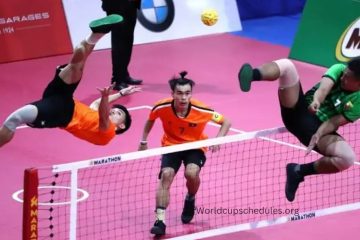
The Asian Sepaktakraw Championship 2026 is coming to the Nagoya City Mizuho Park Gymnasium, and it’s bringing some of the most athletic players you’ve probably never seen before. Think volleyball, but players can’t use their hands. Think football, but there’s a net. Now imagine someone doing a bicycle kick two meters in the air to spike a ball at your face. Yeah, it’s that kind of sport.
This year’s tournament is focusing on the men’s quad event, where four players per team battle it out on court. And trust me, calling it a “battle” isn’t an exaggeration.
So What Exactly Is This Sport?
Here’s the thing about Sepaktakraw – once you see it, you can’t unsee it. The name comes from two words: “sepak” (Malay for kick) and “takraw” (Thai for woven ball). Put them together and you get a sport that’s been around for centuries in Southeast Asia but somehow still feels futuristic when you watch it.
The game started way back in the 15th century, though it looked pretty different then. People in the Malacca Sultanate would stand in circles and keep a rattan ball in the air using everything except their hands. No net, no teams, just folks showing off their footwork.
Fast forward to the 1940s, and someone had the bright idea to add a net and create proper rules. By 1965, the Asian Sepaktakraw Federation made it official, and the sport started spreading beyond its Southeast Asian roots.
Thailand Basically Owns This Sport
Let’s be honest here – when it comes to Sepaktakraw, Thailand is like what Brazil is to football or New Zealand is to rugby. They’re just on another level.
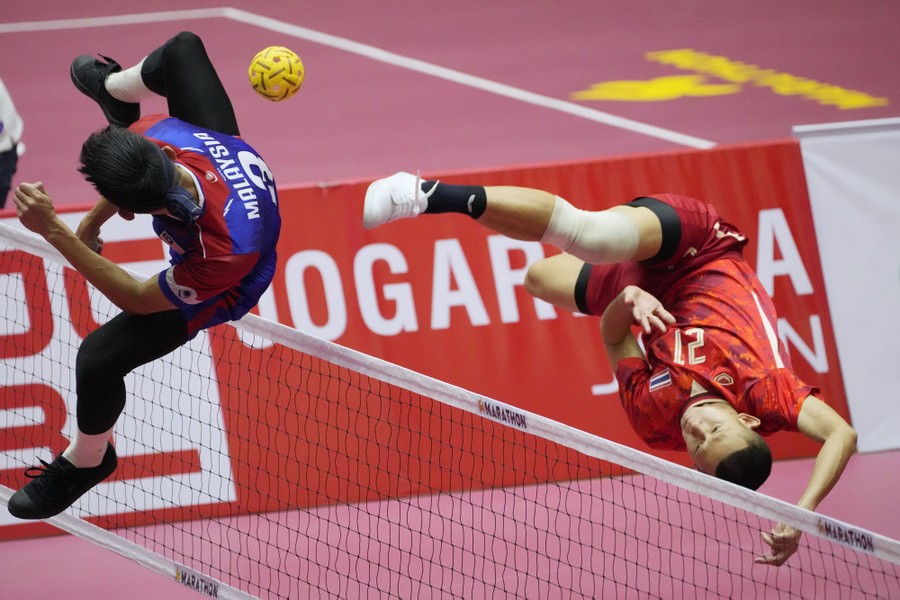
Thai teams have won so many gold medals at the Asian Games and world championships that other countries have stopped counting. Their players start training as kids, and by the time they’re competing internationally, they can do things with a ball that seem to defy physics.
Malaysia gives them a run for their money, though. The Malaysians play a different style – more technical, more calculated. They’re always Thailand’s biggest threat, and every few years they pull off an upset that reminds everyone this is still anyone’s game.
Then you’ve got Indonesia, Myanmar, and South Korea in the mix. South Korea’s interesting because they’re relatively new to the sport compared to the Southeast Asian nations, but they’ve been climbing the rankings steadily. Shows that Sepaktakraw isn’t just about tradition anymore.
Japan, Vietnam, and India have been putting serious money into their programs lately. Japan hosting this championship isn’t a coincidence – they’re trying to build something here, develop their own players who can compete with the big boys.
The Rules Aren’t That Complicated
The court’s about the size of a badminton court – 13.4 meters by 6.1 meters. The net sits at 1.52 meters in the middle. Simple enough.
Each team gets three touches to send the ball back over. Score when the other team screws up. First to 21 points wins the set, best of three sets wins the match. You need to win by two points, but there’s usually a cap at 25.
Oh, and remember – no hands. Feet, knees, chest, head. That’s your toolkit.
The real magic happens with the spikes. Players launch themselves backwards into the air, sometimes getting crazy height, and smash the ball downward with their foot. It’s as spectacular as it sounds. The defensive saves are just as insane – guys contorting themselves into positions that would make a yoga instructor wince.
The quad format they’re playing in Nagoya means more players on court, which usually means longer rallies and more chances for those highlight-reel moments.
Why Nagoya Makes Sense
Nagoya City Mizuho Park Gymnasium has hosted plenty of big events before. It’s got the facilities, the seating, the infrastructure. Plus, Nagoya sits right on that sweet spot between Tokyo and Osaka on the Shinkansen line, so getting there is easy whether you’re coming from within Japan or flying in internationally.
The city’s also got a thing for sports. They’ve hosted everything from swimming championships to figure skating events. They know how to put on a show and make visitors feel welcome.
For Sepaktakraw, having a major championship in Japan is kind of a big deal. The sport’s trying to expand beyond its traditional heartland, and Japan’s got the resources and sports culture to really help it grow.
What Makes This Tournament Matter
Sure, there are medals on the line. National pride, bragging rights, all that stuff. But this championship’s about more than who goes home with gold.
For Japan, it’s a statement. They’re serious about developing Sepaktakraw domestically. Host a major tournament, get people interested, inspire some kids to pick up the sport. It’s a long-term play.
For Thailand and Malaysia, it’s another chapter in their ongoing rivalry. These two have been going at it for decades, and every tournament adds another layer to their story.
For the developing nations, it’s a chance to prove they belong. Beat one of the established powers and suddenly people start taking you seriously. That’s how you build a program.
The sport itself keeps evolving too. Teams are using video analysis now, sports science, nutrition programs – all the modern stuff. The gap between the top and everyone else is narrowing. Makes for better competition.
Worth Your Time?
Look, I get it. You’ve probably got other things to do in late January. But if you’re anywhere near Nagoya and you’ve got a few hours to kill, this tournament’s worth checking out.
Even if you know nothing about Sepaktakraw, the athleticism alone is worth the price of admission. These guys do things that seem physically impossible. And unlike some sports where you need to understand complex strategies to appreciate what’s happening, Sepaktakraw’s pretty straightforward – keep the ball in the air, make the other team mess up, look awesome while doing it.
Plus, it’s not every day you get to see world-class competition in a sport that most people in your country have never heard of. There’s something cool about being ahead of the curve on that.
The tournament runs from January 30 to February 2. Four days of competition. The best teams in Asia. A sport that combines the strategic elements of volleyball with the ball skills of football and the acrobatics of… I don’t know, Cirque du Soleil?
Nagoya’s ready. The teams are coming. The only question is whether you’ll be there to see what happens when the best Sepaktakraw players in Asia go head-to-head.
Because once you’ve seen a proper Sepaktakraw spike in person, you’ll understand why people in Southeast Asia have been obsessed with this sport for centuries.